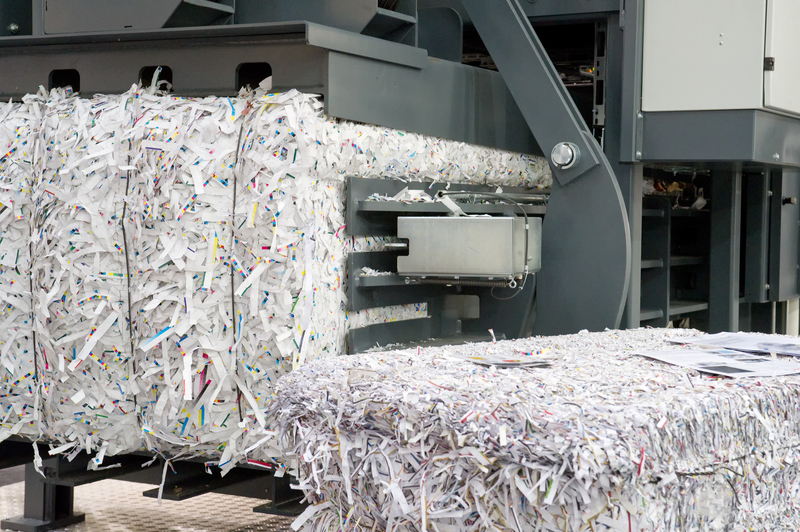
Sustainable Approaches to Cardboard and Packaging Disposal
Sustainable Approaches to Cardboard and Packaging Disposal: The Complete UK Guide
You flatten another box and the corrugations puff a little dust into the light. The hallway smells faintly like a new bookshop after a stock delivery. If you run a small e-commerce store, manage facilities for a busy office, or you've just moved house, you know the mountain of cardboard is real. Now for the tricky bit: getting rid of it properly. This long-form guide unpacks Sustainable Approaches to Cardboard and Packaging Disposal with practical steps, UK-focused rules, and tools you can actually use tomorrow morning. Simple aim: less waste, lower cost, clearer conscience.
To be fair, we all want disposal to be easy, ethical and affordable. The good news? It can be. With a few structured changes, most organisations cut general waste by 20-40%, keep cardboard bone-dry (that matters), and improve recycling revenue. Let's face it--clean, clear, calm. That's the goal.
Table of Contents
- Why This Topic Matters
- Key Benefits
- Step-by-Step Guidance
- Expert Tips
- Common Mistakes to Avoid
- Case Study or Real-World Example
- Tools, Resources & Recommendations
- Law, Compliance or Industry Standards (UK-focused)
- Checklist
- Conclusion with CTA
- FAQ
Why This Topic Matters
Cardboard is everywhere: home deliveries, office supplies, retail backrooms, warehouse lines. In the UK, paper and cardboard packaging typically achieve the highest recycling rates of all packaging materials--often over 80% in recent government statistics--yet millions of boxes still end up in general waste every year. That gap isn't from lack of ambition. It's from friction: time, space, contamination, confusing labels, and the feeling that it's all a bit much by Friday afternoon.
Sustainable Approaches to Cardboard and Packaging Disposal go beyond 'put it in the blue bin'. We're talking about the whole cycle--eliminate, reduce, reuse, recycle, and, only if unavoidable, recover energy. The UK Waste Hierarchy asks you to prioritise prevention and reuse before recycling. Implementing this consistently leads to measurable benefits: fewer collections, clearer data, smaller bins, less carbon, and often, lower costs. Truth be told, your future self will thank you.
Micro-moment: a warehouse supervisor in Leeds once told us, 'We started stacking baled OCC on pallets under a lean-to. It looked tidy, felt tidy. People started treating the whole area better.' You'll see why that matters.
Key Benefits
When you adopt sustainable packaging waste management--especially for cardboard (OCC, kraft, cartons)--the upside isn't just planet-friendly; it's business-smart.
- Lower costs: Segregated cardboard is cheaper to collect than mixed general waste and, for larger volumes, can generate revenue as a recyclable commodity.
- Compliance confidence: Meeting your Duty of Care and Waste Hierarchy obligations reduces legal risk during audits.
- Carbon reductions: Recycling fibre typically saves energy and emissions versus producing virgin materials. Multiple lifecycle studies show substantial CO2e savings per tonne recycled.
- Operational efficiency: Right-sizing packaging, baling, and clean segregation reduce bin clutter and collection frequency.
- Brand reputation: Customers, staff and investors increasingly expect credible sustainability practices--visible, simple and honest.
- Data for EPR and ESG: Good records support UK Extended Producer Responsibility (EPR) reporting and sustainability disclosures.
Little story: after switching to bale collections, a South London retailer said the loading bay suddenly felt calmer--no overflowing bins, no wet cardboard smell after rain. Small change, big mood shift.
Step-by-Step Guidance
Here's a practical route map to implement Sustainable Approaches to Cardboard and Packaging Disposal in homes, offices, and commercial settings. Use what fits your context. Skip what doesn't.
1) Audit what you've got (and what you don't need)
Before you can improve, you need a clear picture. Walk your site or flat with a notepad. Count the boxes coming in daily or weekly, the types of packaging (corrugate, paper mailers, mixed paper, cardboard tubes, padded mailers), and where they end up. Note contamination points--food, coffee cups, plastic film, tape. Time anchor: it was raining hard outside that day; you could smell the cardboard dust inside. That's the smell of an opportunity.
- Track volumes: Estimate weekly cardboard weight. A rough guide: a standard 120-litre sack of flattened cardboard weighs 3-5 kg when dry.
- Map flows: Where do boxes arrive, unpacked, flattened, and stored? Any steps can be removed?
- Identify quick wins: Can you eliminate void fill, switch to right-sized boxes, or reuse incoming cartons?
2) Prevent and reduce packaging at source
Prevention beats disposal. Always.
- Right-size packaging: Work with suppliers to reduce empty space. Less air shipped = fewer boxes used.
- Switch materials smartly: Favour fibre-based, recycled-content packaging with simple designs (no plastic lamination where possible).
- Adopt reusable systems: For regular B2B flows, use returnable totes, pallet boxes, or durable trays.
- Standardise SKUs: Limit box sizes to a manageable set, making storage and reuse simpler.
For households: choose retailers with the On-Pack Recycling Label (OPRL) and minimal packaging. It's your money--and your hallway space--after all.
3) Reuse: give boxes a second life
Before you recycle, reuse. Keep a clean stack of medium boxes for returns, storage, or local swaps. Offices: create a 'reuse rack' near goods-in. Label it. Make it obvious.
- Internal reuse: Pick-and-pack teams often love having a tidy library of sizes.
- Local community: Community groups, schools, or neighbours moving house often need boxes.
- Creative reuse: Clean, uncoated cardboard makes excellent mulch for garden beds or wormery bedding (avoid glossy or food-soiled pieces).
4) Set up clean segregation and storage
Segregation is the make-or-break step for quality. Keep cardboard dry, clean, and separate from food. Water is the enemy. So is grease.
- Dedicated containers: Use clearly labelled totes, cages, or bins. Blue is common, but use any colour consistently.
- Keep it dry: Store indoors or under cover. Soggy cardboard drops in value and may be rejected.
- Flatten and bundle: Cut or flatten boxes. Tie with string if needed. Remove plastic film and loose polystyrene. Small amounts of tape and labels are usually fine.
- Contamination control: Keep food packaging separate. Pizza boxes? If greasy, compost the greasy lid and recycle the clean part.
Micro-moment: one cafe in Brighton moved their cardboard stack two metres--just outside the coffee splash zone. Contamination dropped to near zero in a week.
5) Choose the right equipment: balers, compactors and cages
If you produce regular volumes, equipment transforms the experience.
- Balers: For moderate to high volumes, balers compress OCC into tidy bales (25-500 kg). Bales command better rebates and fewer collections.
- Compactors: Less ideal for cardboard quality, but useful if space is limited and you generate mixed waste. For cardboard, a baler is generally best.
- Roll cages and stillages: Great staging tools prior to baling or collection.
Consider safety training, PPE, and manufacturer instructions. And please, keep hands clear of the ram. Yeah, we've all been there--wanting to push that last bit in. Don't.
6) Arrange collections and be smart with contracts
Work with a licensed waste carrier or recycling broker. Ask for clear pricing: per lift, per tonne, and any contamination/reject fees. For bales, confirm minimum bale weights, grades (e.g., EN 643 OCC grades), and moisture requirements. Better contracts are built on clear data.
- Frequency: Start conservative, then reduce collections as your system stabilises.
- Documentation: Keep Waste Transfer Notes, carrier licenses, and recycling tickets for a minimum of two years (England and Wales) and similar in Scotland and NI.
- Records for EPR: If you're obligated under packaging EPR, record packaging placed on the market and waste managed--well organised from day one.
7) Train your team (or housemates!)
People make this work. Keep instructions short, visual, and repeatedly visible.
- Simple posters: Show pictures of acceptable vs. not acceptable materials.
- One-minute huddles: Quick refreshers at shift change or Monday mornings.
- Positive feedback: Celebrate a month with zero contamination. Treats help. So does a laugh.
8) Close the loop: report, refine, repeat
Monthly, review weights, contamination rates, and costs. Adjust bin sizes, collection frequency, and training. Track progress in CO2e terms for internal reporting or ESG dashboards. Clean trend lines are oddly satisfying.
Ever tried clearing a room and found yourself keeping everything? Systems help you let go--of waste, of complexity, of clutter. Keep it easy.
9) Home-specific tips
- Break down boxes: Flatten fully. Remove plastic film and polystyrene. Keep dry.
- Council rules: Check your local council's recycling guidance. Many allow small amounts of tape; most don't want plastic wrap.
- Overflow strategy: After a big delivery or move, book a one-off bulky cardboard collection or visit a household recycling centre.
- Composting uncoated cardboard: Shred and use as 'brown' material to balance food scraps ('greens'). Avoid glossy, waxed or heavily inked pieces.
10) Business-specific tips
- Grade quality: Separate clean OCC from mixed paper/card to meet EN 643 grades and improve rebates.
- Moisture control: Keep bales under cover; moisture content above spec leads to rejections or price deductions.
- Right location: Put the baler where the boxes appear--less walking, more baling.
- Data discipline: Record bale counts, average weights, and collections. Helps with EPR, ESG and procurement negotiations.
Expert Tips
These are hard-won, practical insights from real sites across the UK--warehouses in the Midlands, cafes in Bristol, offices in Canary Wharf.
- Obsess over dryness: A tarpaulin or lean-to roof can pay for itself in a month if it prevents soggy cardboard.
- Pick a standard tie: Use the same twine or strapping everywhere so bundles look consistent and dense. Buyers notice.
- Keep tape on (mostly): Removing every scrap is overkill. Prioritise removing plastic film, bubble wrap and polystyrene--the big contaminants.
- Separate pizza boxes: The clean top can be recycled, the oily base can be composted. Quick tear, job done.
- Trial reusable mailers: For e-com, try two-way paper mailers or minimal-tape box closures. Returns become easier and cleaner.
- Don't over-bale: Follow equipment specs. Over-packing risks wire snaps and safety incidents.
- Schedule smart: Collections first thing in the morning tend to avoid traffic and overflowing bays.
A small aside: once you see tidy bales stacked like giant books, it's strangely satisfying. Order from chaos. You'll feel it.
Common Mistakes to Avoid
- Storing cardboard outdoors, uncovered: Moisture kills value and causes smell. Keep it indoors or covered.
- Mixing food waste with fibre: One lunch spill can contaminate a whole batch.
- Assuming 'compostable' equals 'recyclable': Compostable liners or PLA windows belong in composting streams, not paper/cardboard recycling.
- Overcomplicating signage: Long lists confuse. Use simple images and a few words.
- Ignoring staff feedback: The people doing the work know the bottlenecks. Ask, listen, adjust.
- Forgetting Duty of Care paperwork: Missing licenses, Waste Transfer Notes or EWC codes can bite during audits.
- Relying on one bin size: Sometimes a mix--cages for transit, baler for consolidation--works best.
Ever line up for the lift with a mountain of boxes and think, there must be a better way? There is.
Case Study or Real-World Example
Profile: Independent homeware retailer, North London. Three shops and a small warehouse. Weekly deliveries, lots of corrugated boxes, a smattering of cardboard tubes.
Before: Overflowing mixed recycling bins. Soggy cardboard after rain. Staff frustrated by lack of space. Collections twice weekly at premium cost.
Intervention:
- Introduced a mid-size vertical baler in the warehouse.
- Moved goods-in to a drier corner; erected a simple roof over the staging area.
- Set up a reuse rack for clean boxes and a quick visual guide for staff.
- Switched box tape to paper where possible and eliminated plastic void fill.
- Negotiated a bale collection with clear grading and payment terms (EN 643 OCC grade).
After 12 weeks:
- General waste lifts cut by ~35%.
- Cardboard bale revenue offset 20-30% of recycling costs (varies with market prices).
- Loading bay calmer, no wet-cardboard smell, and fewer slip hazards.
- Staff time saved--less shuffling boxes, more time on customers.
A manager told us, 'It felt like the whole back-of-house finally made sense.' Clean, clear, calm.
Tools, Resources & Recommendations
When you're serious about Sustainable Approaches to Cardboard and Packaging Disposal, a few tools make life easier:
- Packaging audit template: A simple sheet to record incoming box sizes, daily volumes and contamination notes.
- Waste calculator: Estimate savings from fewer general waste lifts and potential revenue from OCC bales.
- OPRL guidance: Helps you understand consumer recycling labels and make better procurement choices.
- BS EN 643 summary: The European list of standard qualities of paper and board for recycling--know your OCC grade.
- ISO 14001 framework: For organisations building robust environmental management systems (helpful for audits and consistency).
- Moisture meter: Optional but handy in damp sites to check bale moisture before collection.
- Training posters: Simple A3 posters with pictures of acceptable and not-acceptable materials.
- Recycling broker shortlist: Validate licenses, references, and service levels--ask about missed-collection policies and contamination thresholds.
Note: You don't need everything on day one. Start with basics: signage, dry storage, and a clear contract. Build from there.
Law, Compliance or Industry Standards (UK-focused)
UK waste law and standards aren't just red tape--they're the backbone of responsible operations. Here's what matters most for cardboard and packaging disposal in the UK:
- Environmental Protection Act 1990 & Duty of Care: You must ensure waste is managed safely. Use licensed carriers, keep Waste Transfer Notes, describe waste accurately, and prevent escapes. Hold documentation for at least two years in England and Wales (check local rules in Scotland and NI).
- Waste Hierarchy (England & Wales, Scotland, NI): You're required to apply prevention, reuse, recycling, recovery, disposal--in that order. Expect regulators to ask how you apply it in practice.
- Packaging Waste Regulations & EPR (Extended Producer Responsibility): UK packaging rules are being reformed. If you're an obligated producer (thresholds apply), you must collect and report data on packaging you place on the market and may face modulated fees reflecting recyclability. Keep accurate records of materials and weights.
- Waste Carrier/Broker/Dealer licensing: Anyone transporting or arranging waste must hold the appropriate registration with the Environment Agency (England), SEPA (Scotland), NRW (Wales), or NIEA (Northern Ireland).
- European Waste Catalogue (EWC) / List of Waste (LoW) codes: For cardboard/paper packaging, the common code is 15 01 01. Use the correct code on transfer notes.
- BS EN 643: Defines quality grades for paper and board for recycling, including OCC. Align storage and bale quality to these standards for better value.
- Health & Safety at Work: If using balers/compactors, ensure risk assessments, training, and safe systems of work are in place.
- Data and record-keeping: Accurate weights and contamination logs support EPR compliance and demonstrate application of the Waste Hierarchy during audits.
If in doubt, ask your carrier or broker for their license number and copies of insurance. A credible provider is proud to show you.
Checklist
Use this quick checklist to embed Sustainable Approaches to Cardboard and Packaging Disposal. Tick them off, one by one.
- Audit: Volumes, contamination sources, and flow mapping documented.
- Source reduction: Right-sized boxes, minimal void fill, reusable options explored.
- Reuse system: Clean box rack for internal or community reuse.
- Segregation: Dedicated, labelled containers; clear signage.
- Dry storage: Indoor or covered, off the ground, away from liquids.
- Equipment: Baler or cages matched to your volume; safe operation training complete.
- Collections: Licensed carrier; clear contract; fair pricing and contamination terms.
- Paperwork: Waste Transfer Notes, EWC codes, carrier licenses on file.
- Training: Short, visual refreshers; new starter briefings.
- Reporting: Monthly data on weights, costs, contamination; EPR-ready records.
If you can tick seven or more, you're already ahead of the pack. Keep going.
Conclusion with CTA
Sustainable Approaches to Cardboard and Packaging Disposal aren't theory--they're daily habits, tiny design choices, smart storage, and clear contracts. Whether you're in a one-bed flat in Manchester or a multi-site operation in the West Midlands, the path is the same: prevent, reuse, recycle well. The rest is details, and now you've got those too.
Take the next step this week: put up one new sign, move the storage under cover, or run a 15-minute team demo at the baler. You'll feel the difference--in the air, in the space, in the rhythm of the day.
Get a free quote today and see how much you can save.
And hey, if it feels a bit much right now--that's normal. Start small, keep it human, and let the system settle. You've got this.
FAQ
Can I recycle cardboard with tape and labels still attached?
Yes, in most UK systems a small amount of tape and labels is acceptable. Remove plastic film, bubble wrap, and polystyrene. Keep the cardboard clean and dry.
What about pizza boxes and food-stained cardboard?
If the cardboard is greasy or heavily food-soiled, it shouldn't go into paper/card recycling. Tear off and recycle the clean portion; compost the greasy part if possible.
Do I need a baler for cardboard recycling?
No, but balers help if you generate medium to high volumes. Bales reduce space, improve storage, and can earn better rebates. For low volumes, flattened bundles or cages are fine.
Is compostable packaging recyclable with cardboard?
Generally not. Compostable bioplastics (like PLA) are not the same as paper/cardboard. Compost them where facilities exist or place them in the correct stream per local guidance.
How should I store cardboard before collection?
Keep it indoors or under cover, off the ground, and away from liquids. Flatten it, remove big contaminants, and stack neatly. Dryness and cleanliness protect value.
What are the legal basics I must follow in the UK?
Apply the Waste Hierarchy, use licensed carriers, complete Waste Transfer Notes with the correct EWC code (15 01 01 for paper/cardboard packaging), and retain records. If you're an obligated producer under EPR, maintain accurate packaging data.
How do I know if I'm obligated under UK packaging EPR?
Obligations depend on activities and thresholds related to the packaging you place on the market. Check the latest UK government guidance or consult a compliance scheme to confirm your status.
Should I remove staples or metal clips from cardboard?
Small amounts of staples or clips are usually acceptable. Focus on removing plastic films, foam inserts, and heavily contaminated materials.
What EWC code applies to cardboard packaging waste?
Use EWC/LoW code 15 01 01 for paper and cardboard packaging. Ensure it appears on your Waste Transfer Notes.
Can wet cardboard be recycled?
Wet cardboard loses quality and may be rejected or downgraded. Always keep it dry. If it gets soaked, let it dry fully before bundling, but avoid mouldy material.
Are waxed or laminated boxes recyclable?
Waxed or heavily plastic-laminated boxes are usually not accepted in standard paper/cardboard recycling. Check with your collector, but expect to segregate them.
What's the difference between a compactor and a baler for cardboard?
A compactor compresses mixed waste into larger containers, often reducing collections but not improving recycling value. A baler compresses clean cardboard into bales that typically receive higher recycling rebates.
Can shredded cardboard be recycled?
Yes, but keep it clean and bagged to prevent littering. Some facilities prefer shredded cardboard for animal bedding or as compost 'brown' material.
How often should I review my recycling contract?
Annually is sensible, or sooner if volumes change a lot. Review service levels, pricing, contamination terms, and rebate structures. Good data helps you negotiate.
Will switching to paper tape make a difference?
It can. Paper tape is easier to process with cardboard and avoids plastic contamination. It's a small change that simplifies sorting at scale.
What standards should my cardboard bales meet?
Target BS EN 643 OCC grades for quality. Maintain low contamination and moisture, and conform to the bale size and density your buyer specifies.
One last thought--sustainability isn't perfection; it's direction. Keep moving forward, a box at a time.