Commercial Waste in Watford

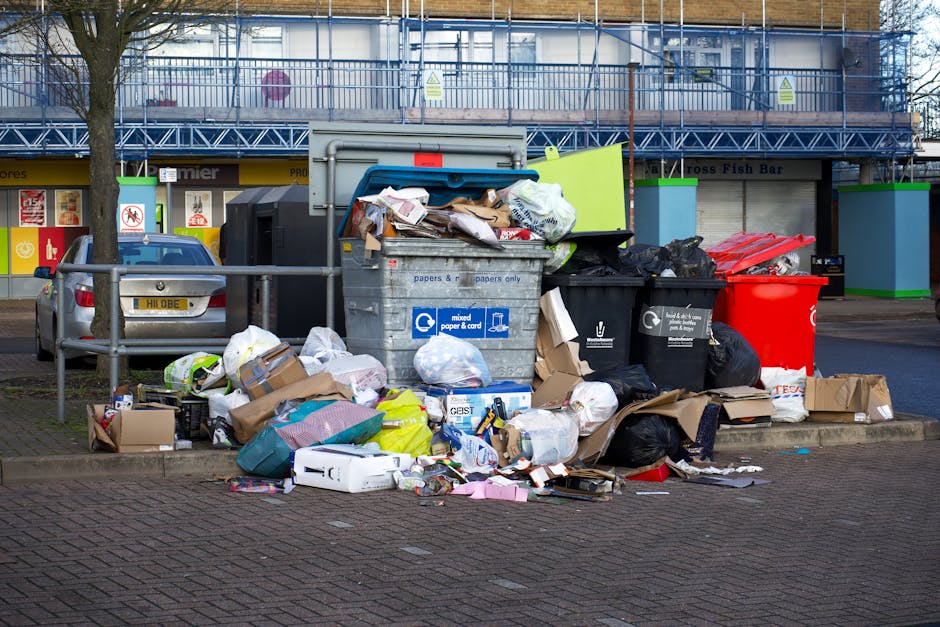
Commercial waste in Watford needs a straightforward, reliable approach that keeps trading spaces clear, compliant and ready for the next working day. Our service covers the collection and removal of business waste from offices, shops, workshops, hospitality venues and other commercial premises, with practical support for routine clearances and one-off disposals. We help customers deal with mixed waste streams, bulky items and recyclable materials in a way that is organised, tidy and easy to arrange.
We handle collections for businesses that need an efficient commercial waste removal service without the complications of arranging transport, loading or disposal themselves. That can include everyday office waste, packaging, storage-room clutter, unwanted furniture and other non-hazardous business items. For more specific requirements, you can review our business waste removal service and see how different waste types are managed across commercial sites.
If you are planning a clearance or need a price for recurring collections, make a brief note of what needs moving and where it is stored. That helps us shape the work properly, particularly when items are spread across several rooms or floors. When you are ready, request a quotation in plain English and we will respond with the information needed to move forward.
Business waste collections for day-to-day operations
Our business waste collections are designed for premises that generate regular rubbish as part of trading. This may involve paper, cardboard, packaging, light fixtures, broken small items and general non-hazardous office or shop waste. Where the waste is mixed, it is often best to separate what can be recycled from what must be disposed of as residual rubbish. That keeps the process more orderly and can make larger clearances simpler to plan.
For many clients, the main value is not just removing the waste, but doing so in a way that fits the working day. Collections can be planned around storage areas, shared access points and the need to keep entrances, corridors and staff spaces usable. If you need a wider clear-out that includes desks or shelving, the office clearance page gives a useful overview of the kind of work that can be organised for business interiors.
Commercial waste can also build up in back rooms, stockrooms and storage cupboards, where old packaging and surplus items gradually reduce usable space. In those settings, a careful approach matters more than speed alone. A good collection plan considers item size, likely loading order and whether anything should be set aside for reuse, recycling or separate handling before the main removal takes place.
Office, retail and hospitality clearances

Office, retail and hospitality clearances often involve more than ordinary rubbish. They may include desks, chairs, filing units, display fittings, shelving, tables, stock, broken appliances and mixed loose waste. A commercial removal service needs to handle these items in a controlled sequence so that the site remains manageable while the clearance is underway. In practice, that means balancing access, volume and sorting rather than treating every job as the same.
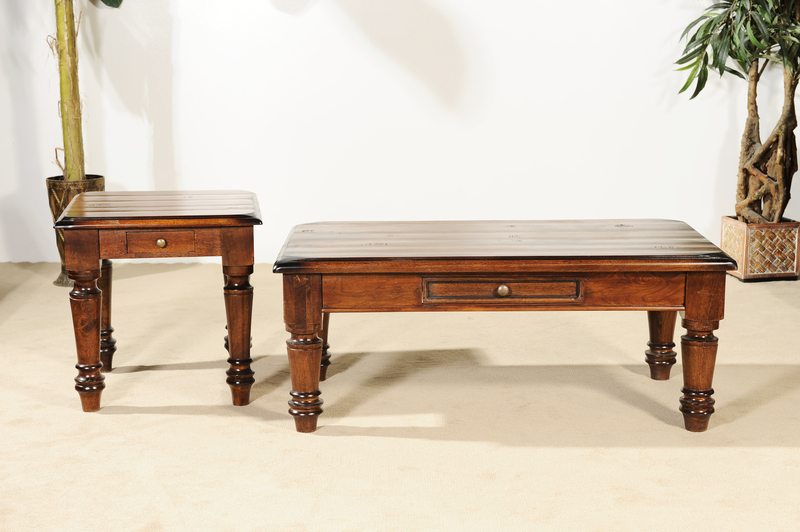
Where furniture is part of the job, it is useful to separate serviceable items from those that are at the end of their working life. Some pieces may be suitable for reuse elsewhere, while others will need disposal. You can read more about item-specific work on our furniture clearance page, which sits alongside the wider commercial waste service for premises that are clearing out work areas or customer-facing spaces.
For businesses that are replacing old office furniture or refitting a space, it is often sensible to coordinate waste removal with the release of rooms, delivery of new stock or preparation for contractors. That keeps disruption down and helps ensure that bulky items do not block access. If the main task is removing surplus fixtures rather than a full site clearance, the process can usually be scaled to match the amount of material involved.
Bulky items, furniture and equipment
Some commercial waste is more awkward than everyday rubbish because it is bulky, heavy or shaped in a way that makes it difficult to move through standard doorways. Chairs, reception seating, cabinets, screens, shelving and certain appliances all fall into this category. These items often need to be lifted, manoeuvred and loaded in a particular order, especially when they have to pass through narrow access routes or shared common areas.
If the job includes large household-style items from premises such as serviced accommodation, managed flats or mixed-use buildings, a separate item-based service can sometimes be more suitable. Our furniture disposal page explains disposal for individual pieces, while mattress and sofa disposal covers two of the most common bulky items that appear in commercial and managed-property settings.
Careful handling matters because bulky removals are not only about physical size. They also involve protecting floors, lifts, stairwells and walls, especially where there is shared access. When a site has multiple levels or limited parking close by, the arrangement of the load can influence how smoothly the work proceeds. It is usually better to plan that part of the job early rather than leave large items until the end.
Recycling, sorting and responsible disposal

Responsible commercial waste work starts with sorting. Cardboard, clean paper, metals, furniture, electrical items and mixed residual waste all require different handling, and the way a site is prepared can make a noticeable difference to how efficiently those materials are processed. We aim to separate suitable materials where possible so that recyclable items are not handled in the same way as general rubbish without reason.
Our recycling and sustainability page covers the broader approach to handling materials responsibly, while the actual work on site depends on what is present and how it has been stored. For example, packaged stock may be easier to sort than loose mixed waste, and office clearances may contain a higher proportion of paper and furniture than a shop backroom clearance. Each type of load needs a slightly different plan.
Recycling decisions are most effective when they are made before loading starts. That avoids unnecessary double handling and helps reduce confusion where multiple waste types are present together. If you already know which items should be separated, that information can be folded into the collection plan. Where items are mixed, we can still deal with them, but the process is usually smoother when there is some early sorting on site.
Specialist waste streams and sensitive items
Not every commercial clearance involves standard office rubbish. Some premises produce items that need more careful handling, such as broken appliances, confidential papers, or waste that should not be mixed into the general stream. These jobs can be straightforward when the material is identified early and kept apart from ordinary rubbish, but they need to be treated with the right level of caution and planning.
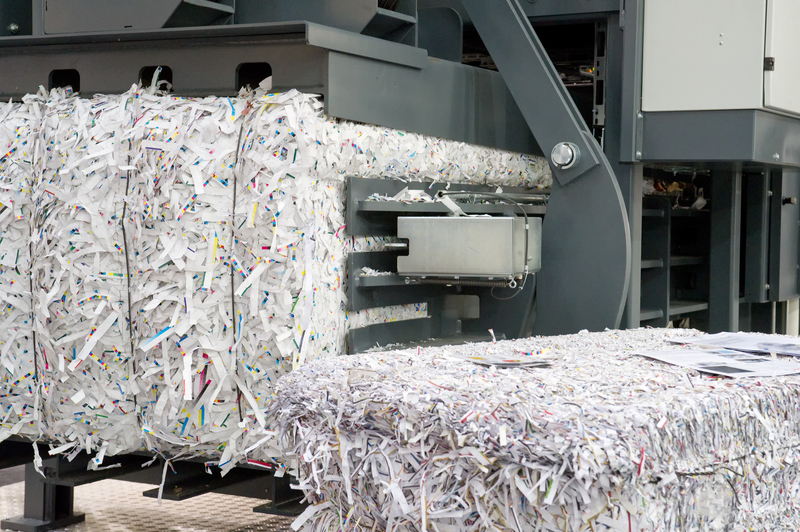
If your business has documents that must be destroyed securely, see confidential shredding for a service focused on sensitive paper disposal. For appliances and similar bulky units, the fridge and appliance removal page covers the kind of items that may be collected separately from general commercial waste. Hazardous or specialist materials are different again and should only be discussed through the appropriate route, such as hazardous waste disposal.
These categories matter because the wrong handling method can create delays and can also make the clearance less tidy than it needs to be. A business that keeps confidential paperwork, unwanted equipment and general rubbish apart will usually find the process easier to organise. Clear identification at the start is the simplest way to make sure each type of waste follows the right path.
Commercial waste for office moves and refurbishments

Office moves and refurbishments often produce the most mixed waste of all. Old furniture, packaging, redundant equipment, fittings and leftover debris can all appear at the same time, particularly when a workspace is being emptied ahead of contractors or a relocation. The challenge is to remove what is no longer needed without disrupting the materials that still have a use or the items that need to stay in place until the next stage of the project.
For this kind of work, our builders waste clearance service can be relevant when refurbishment debris is mixed with business items, while waste removal provides a broader overview of how different collections fit together. If the project involves a complete business move-out rather than a partial tidy, a more extensive clearance may be the better fit than a simple single-item collection.
It is often helpful to think of the clearance in stages: what must go first, what can wait, and what should be left untouched for the new layout or contractor. That approach keeps the workflow sensible and helps avoid accidental removal of items that are still needed. In commercial settings, the main aim is usually to restore usable space as cleanly and predictably as possible.
Pricing factors and quotation details
Commercial waste removal costs are usually shaped by the amount of material, the type of waste, access to the property and whether the clearance contains bulky or specialist items. A collection from a ground-floor store room will generally involve different handling considerations from a mixed office clearance on upper floors. The more detail there is about what needs moving, the easier it is to prepare a fair and practical quotation.
Our pricing and quotes page gives a useful starting point for understanding how estimates are formed. In general, the key information is the type of waste, the approximate volume, the access arrangements and whether any items require careful sorting before loading. If the job includes several categories of waste, it can help to note those categories separately rather than describing everything as one general pile.
Two simple steps usually make a quotation easier to prepare:
- list the main item groups or waste types
- note any access limits, such as stairs, shared entrances or loading restrictions
Choosing the right service for your premises
Different commercial properties create different waste patterns, so it is useful to match the service to the premises rather than forcing everything into one category. An office may need more paper, furniture and old equipment removal; a retail unit may produce packaging, shelving and stock-room waste; a hospitality site may have bulky furniture, broken fixtures and mixed refuse from back-of-house areas. The work is easier to manage when the type of premises is taken into account from the outset.
Where you are unsure which page best matches the job, the broader commercial waste theme here can be understood through the different service pages that sit around it. For domestic-style clearances from a business-managed property, house clearance and flat clearance may describe the work more accurately, while storage areas or loft spaces may call for more specific planning such as loft clearance.
The main decision is whether the job is a straightforward collection of business rubbish or a broader clearance involving furniture, appliances and mixed contents. Once that is clear, the rest of the planning becomes much simpler. It also helps avoid unnecessary delays because the team can focus on the correct class of items from the beginning rather than adjusting halfway through the job.
About Watford
Watford is a large town in Hertfordshire, north-west of London, whose growth has long been shaped by transport links, commerce and changing patterns of suburban development. The town sits close to the River Colne and the Grand Union Canal, both of which have influenced movement and industry in the wider area. Its centre developed from an older settlement into a busy retail and business district, while later expansion brought housing estates, schools, parks and employment areas to the surrounding streets. The town is also closely associated with the Metropolitan line and mainline rail connections, which made travel into London and beyond more practical for commuters and businesses alike. Watford’s built environment is varied, with surviving historic fragments alongside twentieth-century commercial blocks, modern shopping streets and residential areas that reflect periods of rapid change. The town’s public spaces include Cassiobury Park, one of its best-known green areas, as well as smaller open spaces that provide local recreation. Cultural life is supported by theatres, sports venues and community facilities, and the town centre remains a focal point for shopping, eating out and everyday services. Watford’s identity is therefore both urban and practical: a place with a strong commercial core, significant transport connections and a mix of historic and contemporary architecture that gives the town a distinct character within Hertfordshire.
How to arrange a commercial clearance

Arranging a commercial clearance is usually easiest when the key details are kept simple and accurate. A basic description of the premises, the main waste types and the access arrangements is often enough to begin planning. If there are items that need to stay, or areas that should be left untouched, it is helpful to say so clearly at the outset. That avoids misunderstandings and allows the collection to be shaped around the space rather than forcing the space to adapt to the collection.
For larger or more varied jobs, it is sensible to think about the order in which the work should happen. Bulky furniture may need moving before loose waste, and secure or sensitive items should be separated from ordinary rubbish before anyone starts loading. When you are ready to proceed, use the contact route that suits you and ask for a quotation with the main waste types listed plainly. A clear enquiry helps us respond with a practical plan for your business waste in Watford.
Business clearances work best when they are organised, specific and matched to the right service page. If you need to compare related work, you can also look at garage clearance for stored overflow items or home clearance where a premises contains domestic contents rather than office material. When the details are ready, send them through and we will help shape the next step.